
March 21 to June 15, 2014
MKM Museum Küppersmühle for Modern Art, Duisburg
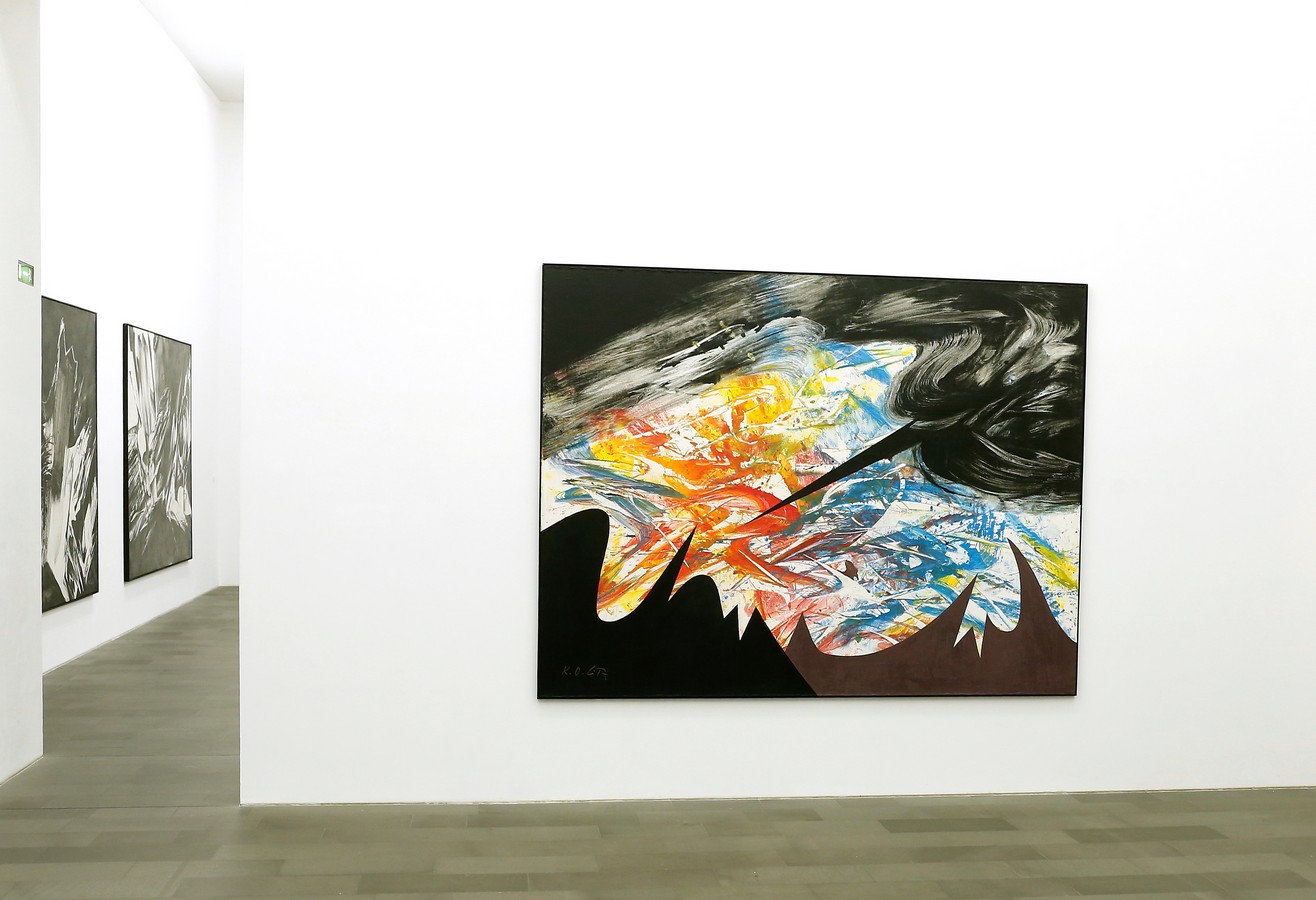
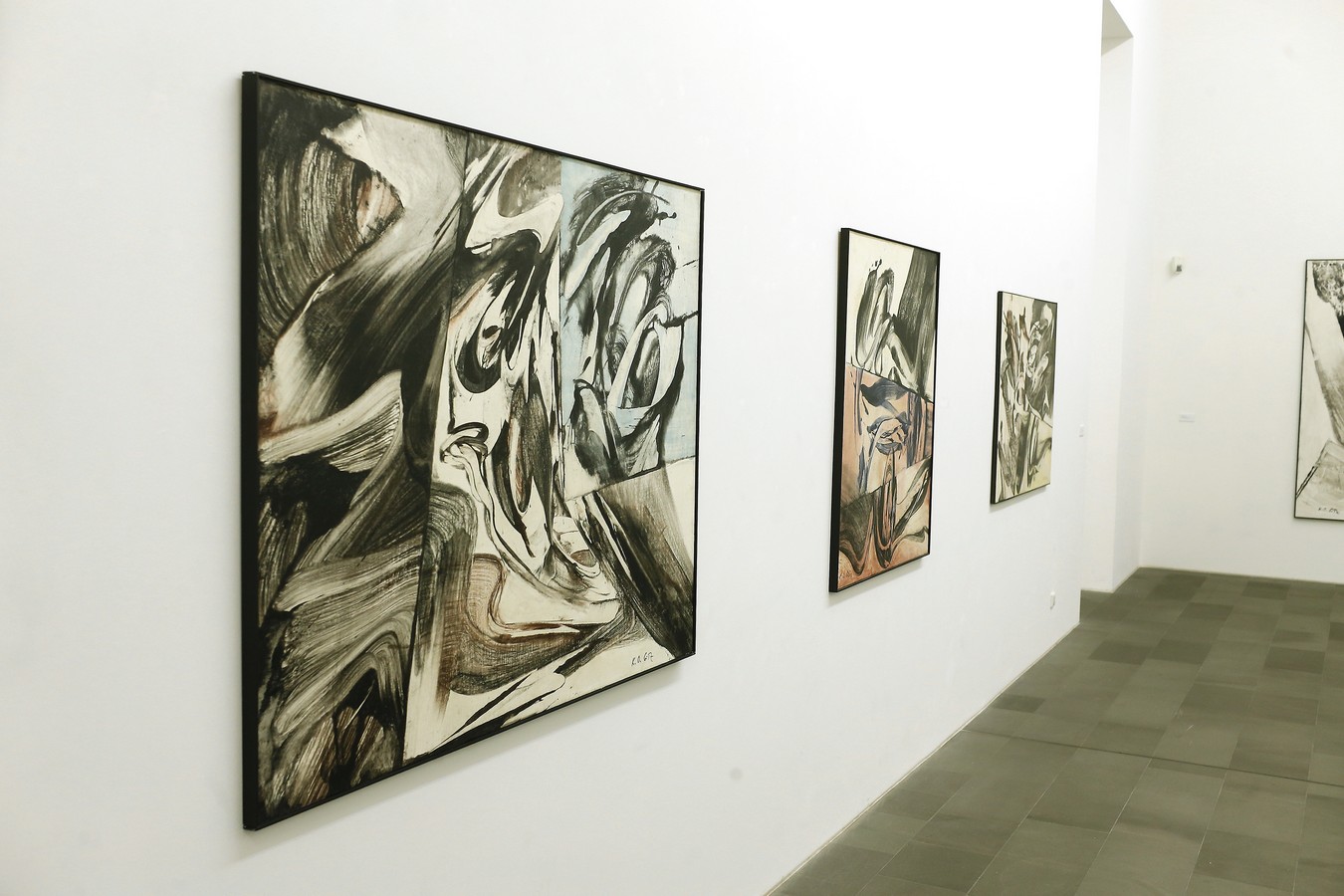
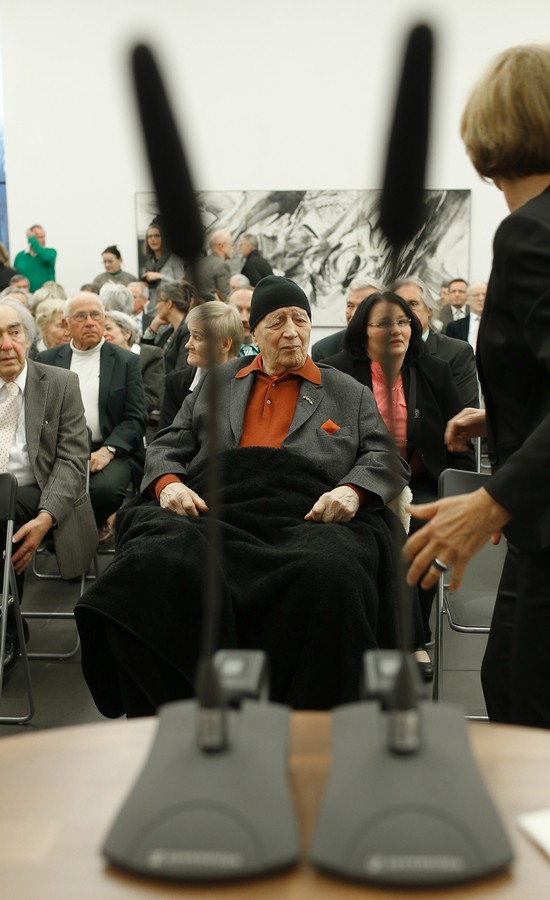
The name K.O. Götz is associated with German Art Informel like no other. In February 2014, the artist celebrated his 100th birthday. An occasion for the MKM Museum Küppersmühle to honor this great painter of abstract, informal art and his life’s work with a comprehensive retrospective. The exhibition brings together around 80 works from almost seven decades of artistic creation from the mid-1930s to one of his most recent works from 2010. They bear witness to the impressive intensity with which K.O. Götz devoted himself to a major theme – painting – from the very beginning until old age, and allow an intensive look at the enormous variety of his abstract pictorial creations.
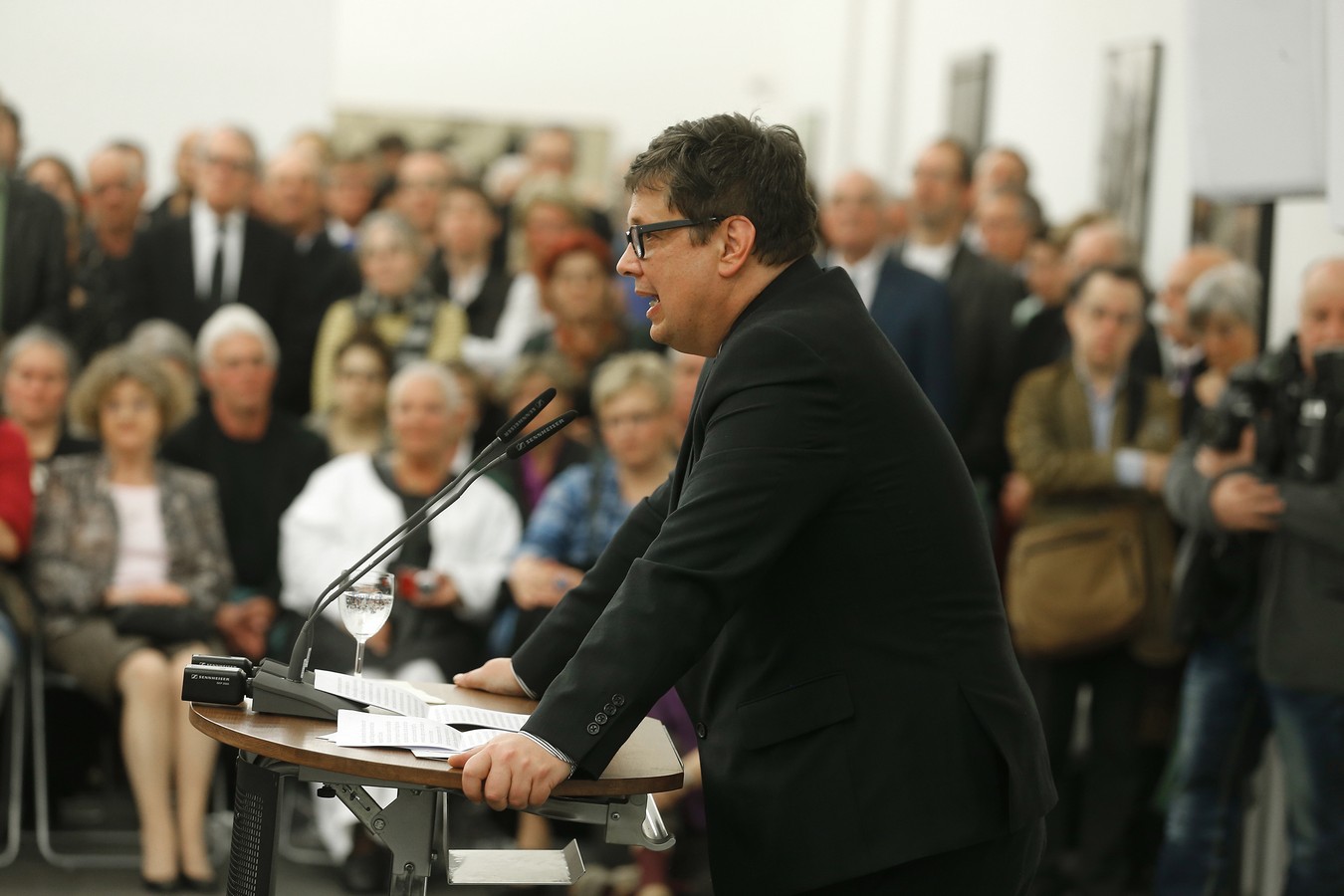
“Freedom and independence are his guiding principles, to which he has remained true to this day. (…) This freedom is still reflected in his artistic approach today.” – Walter Smerling, Director MKM
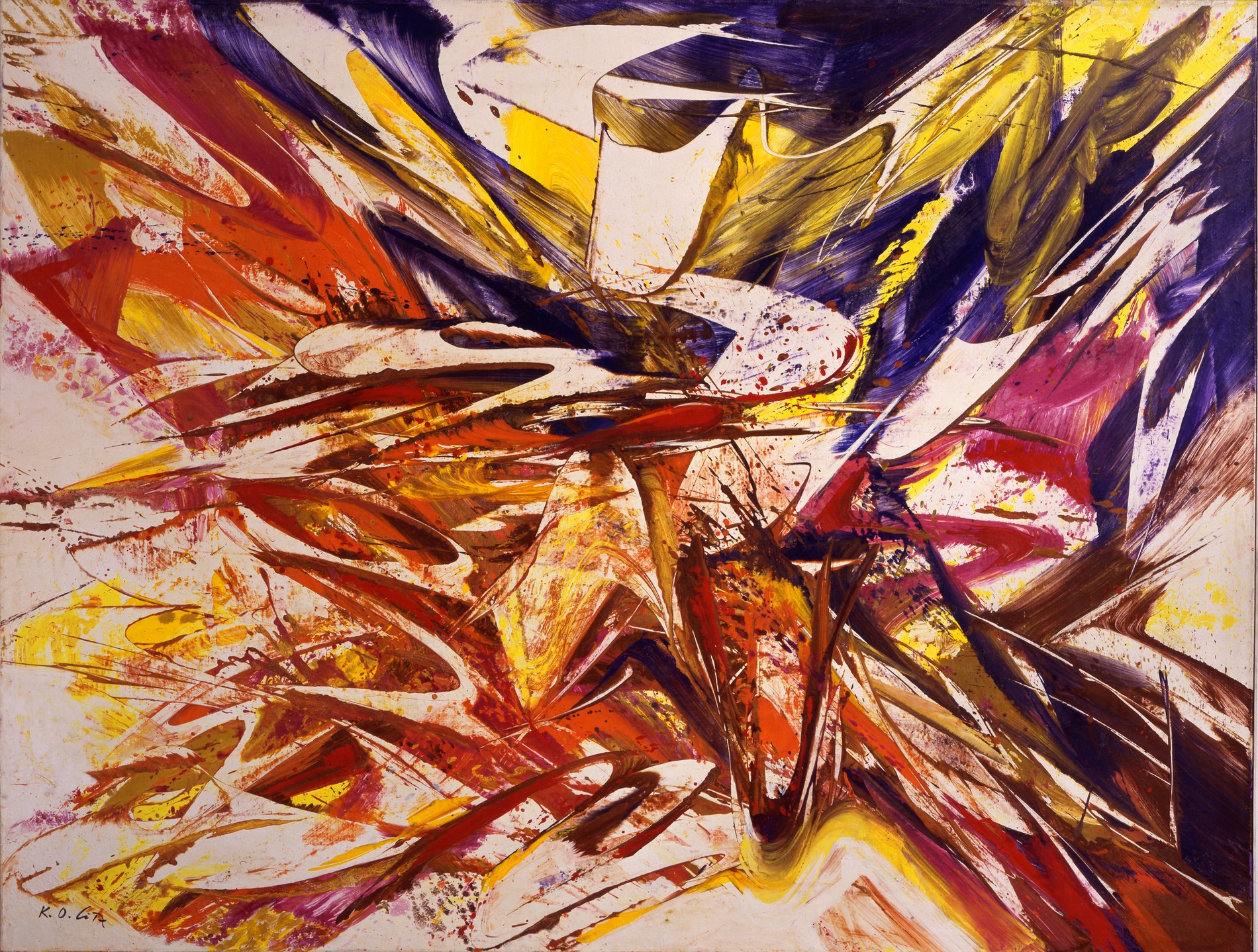
Associated with these leitmotifs is the consistent detachment from the traditional language of form, from anything representational in the composition of the picture. It is common to Art Informel artists from all countries. In the case of K.O. Götz, it manifests itself in his specifically rapid execution of the act of painting as such, characterized by extreme spontaneity, but preceded by careful planning, and culminates in the pictorial technique that is so characteristic of him and has been constantly refined over the decades. Speed and the squeegee technique he developed became the hallmarks of his art.
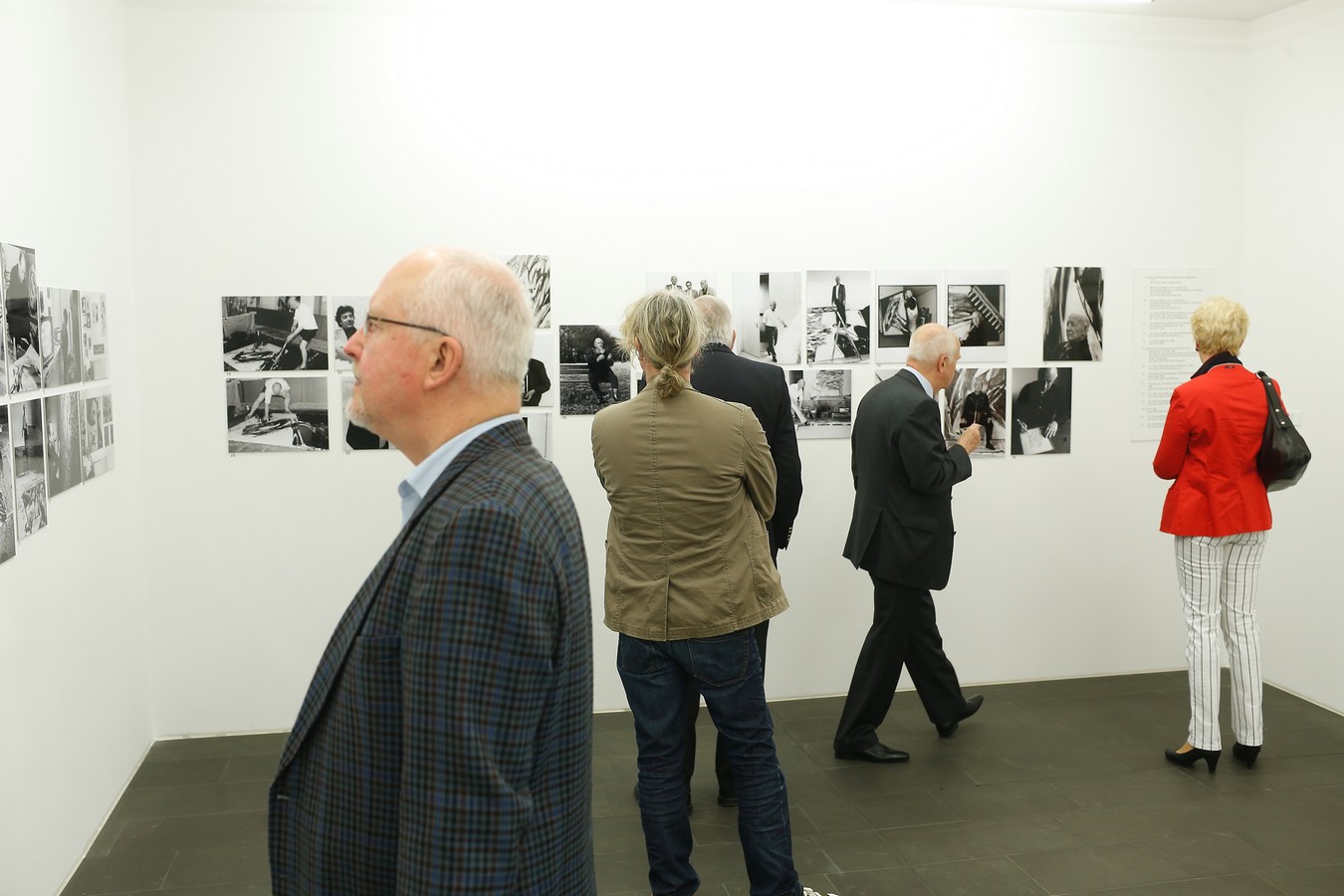
The exhibition at Museum Küppersmühle concentrates on the subject of painting in K.O. Götz’s oeuvre and largely follows the development of his painterly work chronologically. However, the exhibition also offers surprising juxtapositions of works from different creative phases in the large hall and three other rooms. The aim of both is to provide both Götz connoisseurs and “newcomers” with a fresh look at the unique pictorial language of this great informalist with his unreal, flowing schemes and forms on the one hand and the powerful structures and sweeps on the other, and also to highlight his significance for the international development of art after 1945.
Credits: K.O. Götz, MKM 2014 © Stiftung für Kunst und Kultur e.V., Photos: Georg Lukas, Essen