
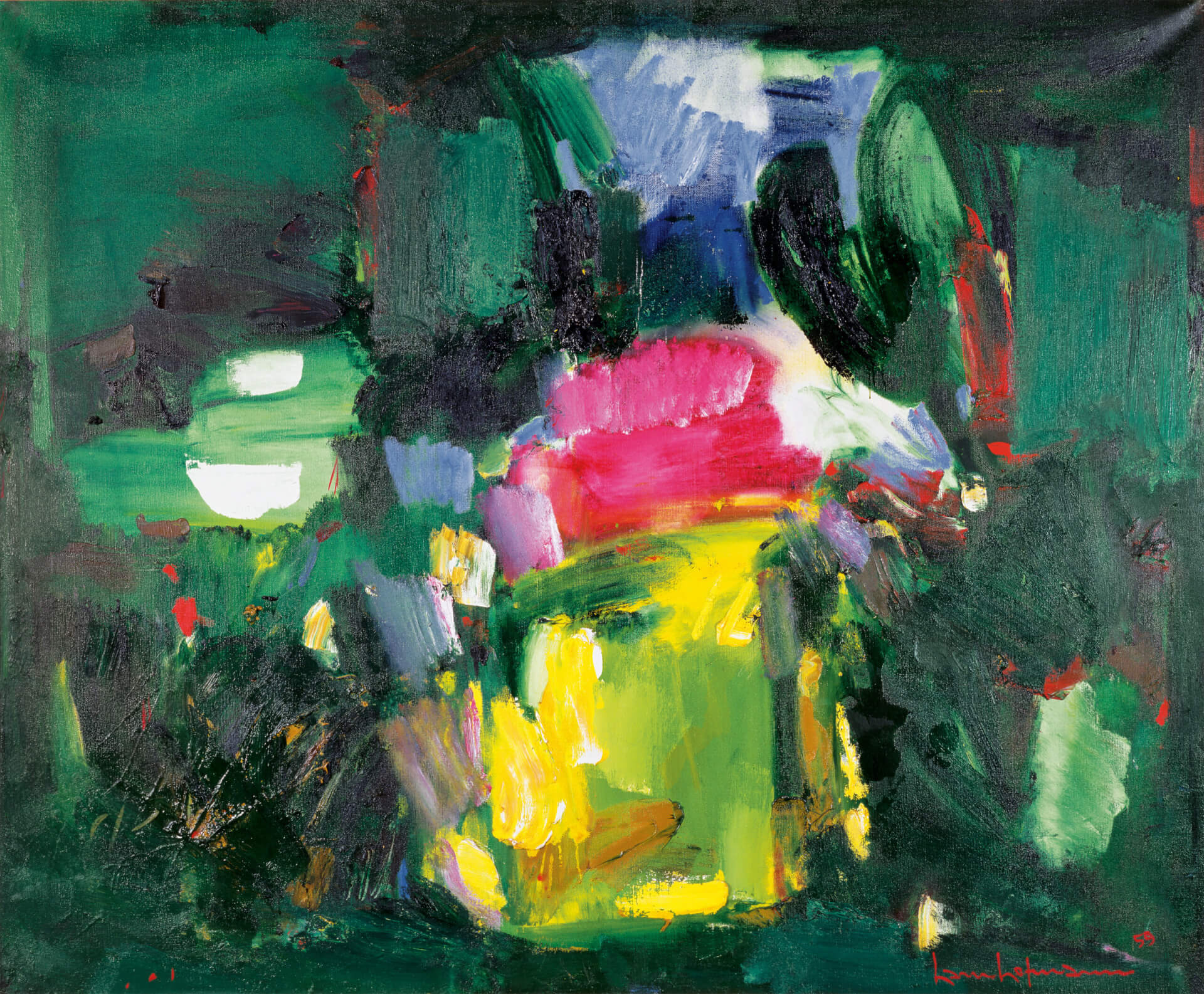
The Küppersmühle Museum of Modern Art in Duisburg is exhibiting the renowned Haniel Collection for a period of one year. Until now, many of these significant works were accessible primarily to employees and business partners at the company’s headquarters in Duisburg. Now they enter into a public dialogue with the Ströher Collection, which has long shaped the museum. Although the Ströher Collection is considerably more extensive, it is precisely the targeted additions from Haniel that open up new perspectives. Outstanding examples of postwar modernism—such as works by Wols—can be experienced in a concentration that is rare. The exhibition demonstrates how a private passion for collecting can become a public cultural asset and how artistic freedom can be experienced anew time and again.
On view are works by Corneille | Damien Hirst | Hans Hartung | Hans Hofmann | Jean Fautrier | Yves Klein | Katharina Grosse | Gerhard Richter | Arnulf Rainer | Bernard Schultze | Emil Schumacher | Pierre Soulages | Emilio Vedova | Alicia Viebrock | Fritz Winter | Lucio Fontana | Piero Manzoni | Otto Piene | Wols
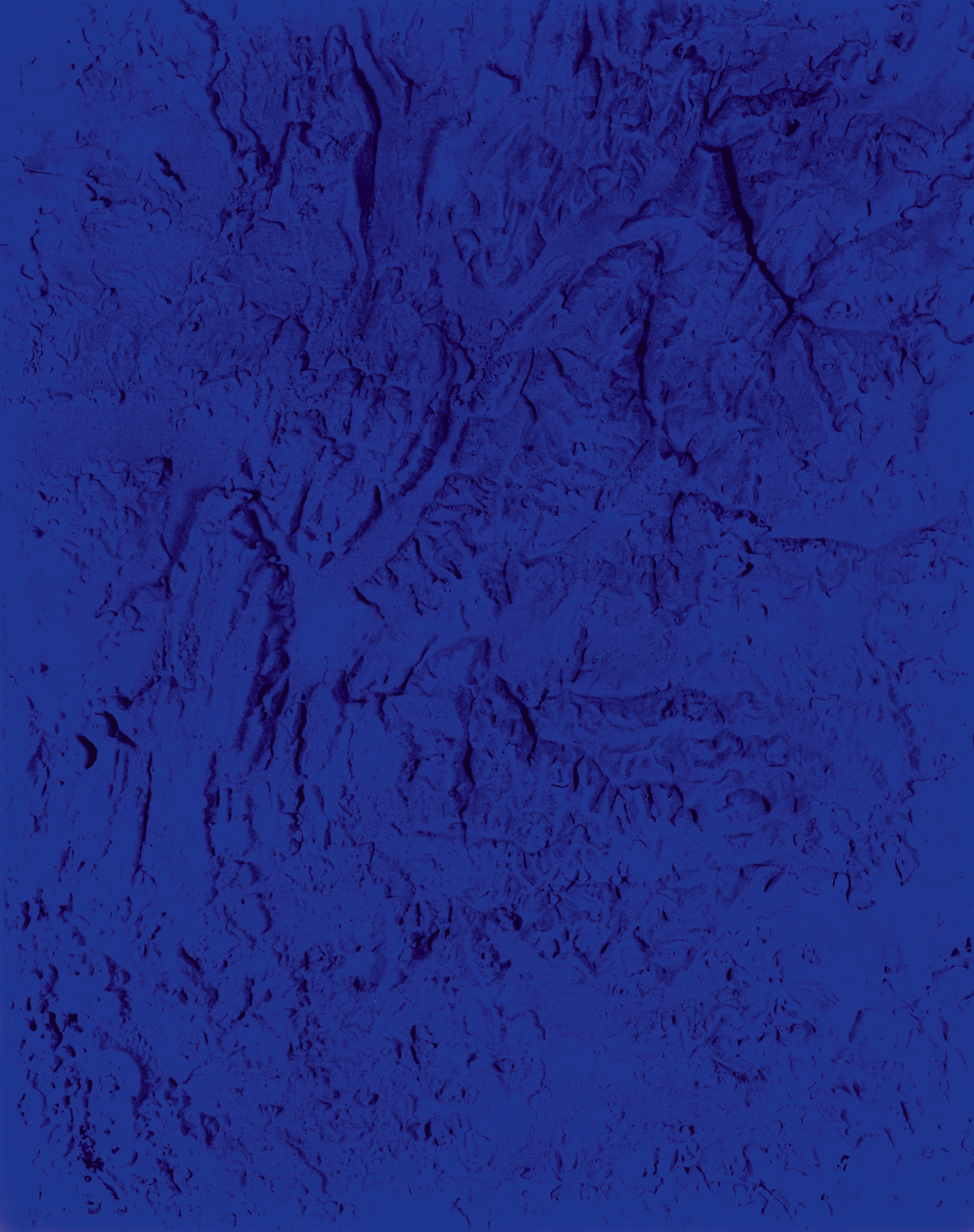
Dye and synthetic resin on plaster, fabric, and cardboard, 80 x 60 cm, Franz Haniel & Cie. GmbH, ©VG Bild-Kunst, Bonn 2026
With significant works of postwar abstract and informal art, the Haniel Collection complements the museum’s permanent exhibition and opens up new perspectives on a pivotal era of modernism. The assembled works represent the artistic renaissance that began after 1945: an art that broke free from external constraints and found new forms of expression for individual freedom. Exciting connections emerge in dialogue with the Ströher Collection.
Postwar abstract art, centered on the Informel movement, is first and foremost a manifestation of freedom. Since the international awakening at the end of World War II, the freedom of art has always been an idea that has influenced social and political forms of coexistence. The freedom of art exists only in a cosmopolitan, pluralistic society that regards every person as equal and respects their inviolable dignity.
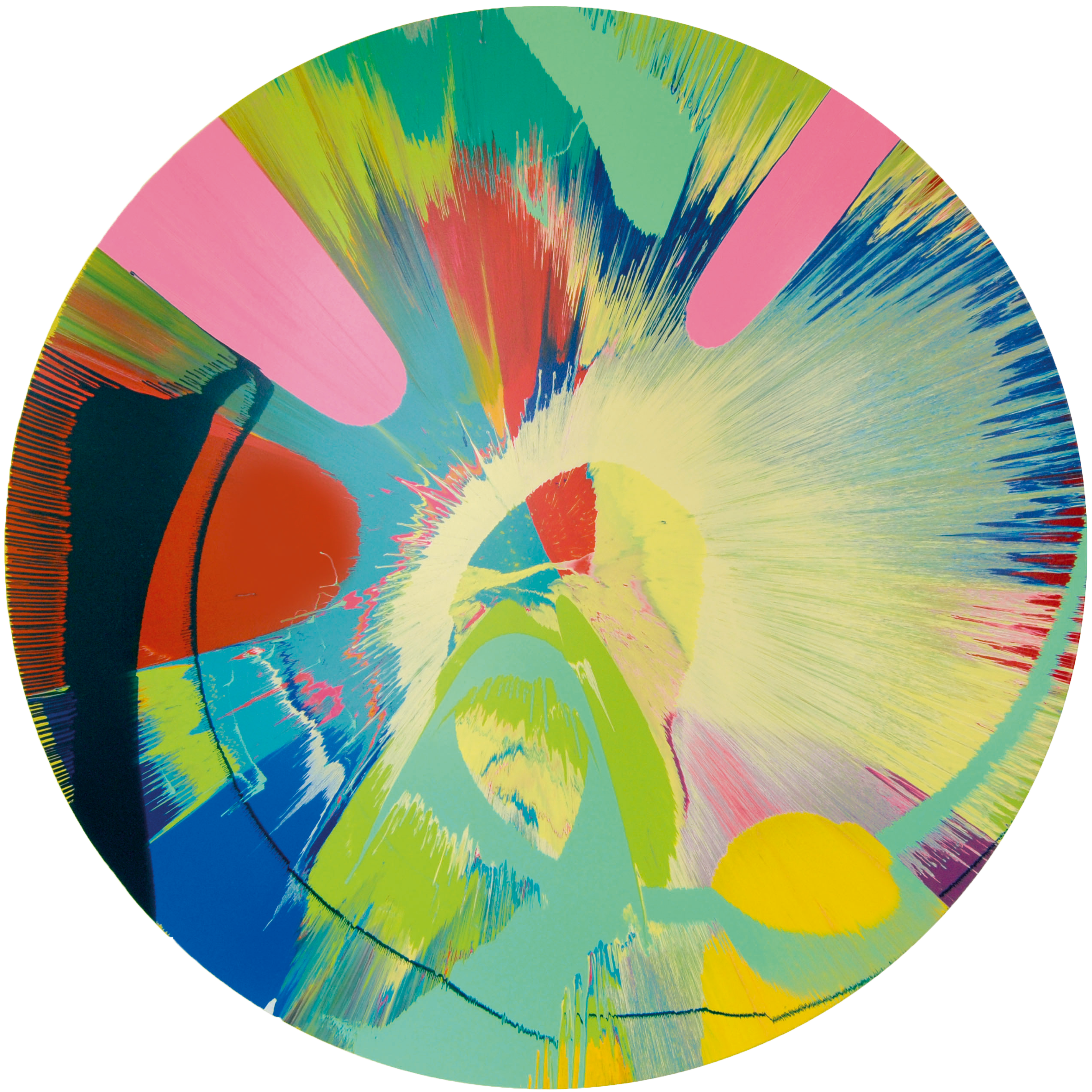
The addition of major works from the Haniel Collection to the Ströher Collection reinforces this aspect in particular. The presentation of the Haniel Collection is therefore far more than just a high-caliber loan. It invites visitors to rediscover postwar art as a powerful testament to artistic self-assertion.
The collection is significant not only because of the artworks it contains, but because it is itself an act of freedom. Every private collection arises from personal decisions, from curiosity, conviction, and passion. In this sense, the Haniel Collection and the Ströher Collection are connected by more than just the quality of their works. They are expressions of an independent perspective that has evolved over decades. When these two collections now come together at the Museum Küppersmühle, it is not only two exceptional collections that meet, but also two attitudes: a belief in the freedom of art and in the freedom of one’s own judgment.