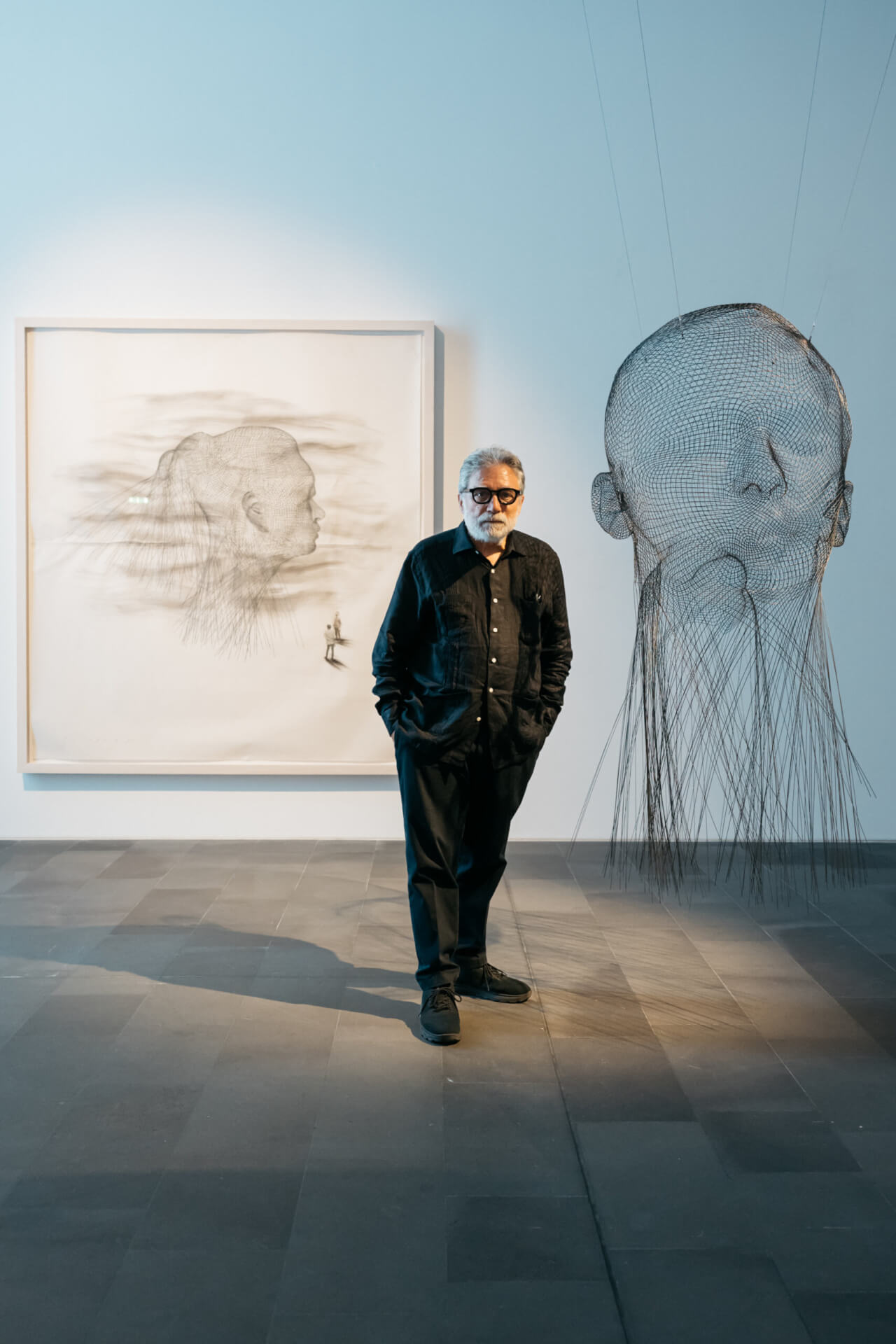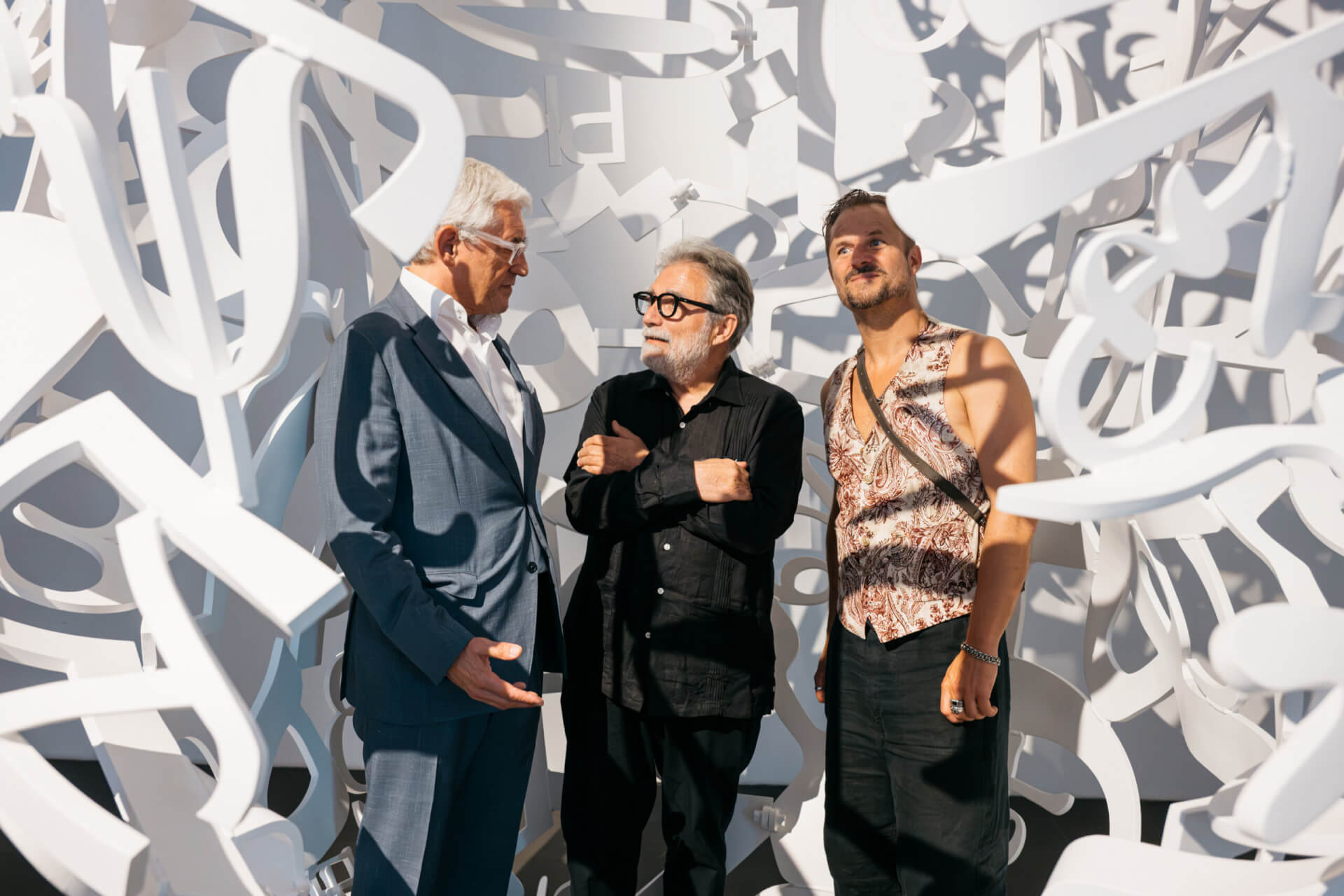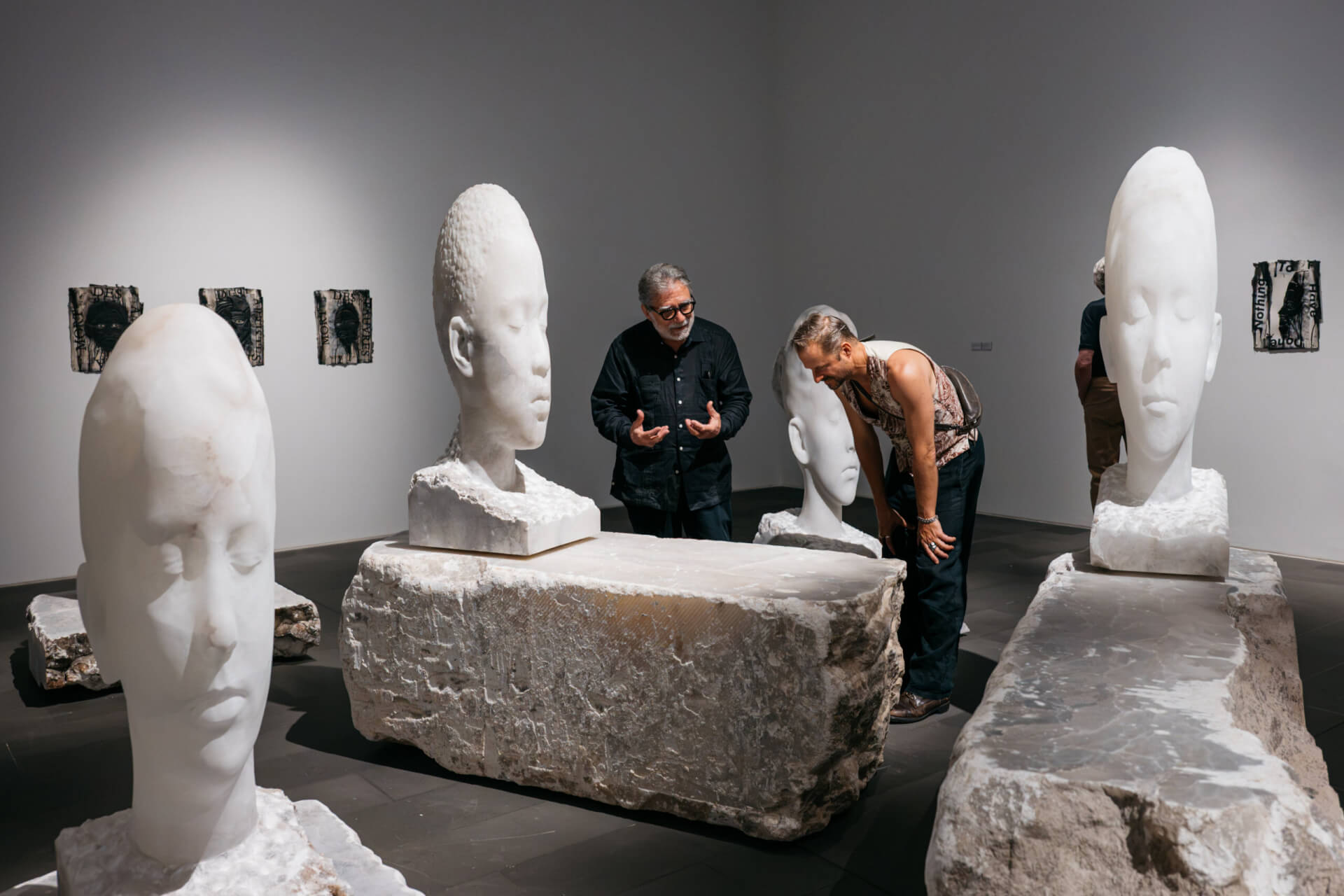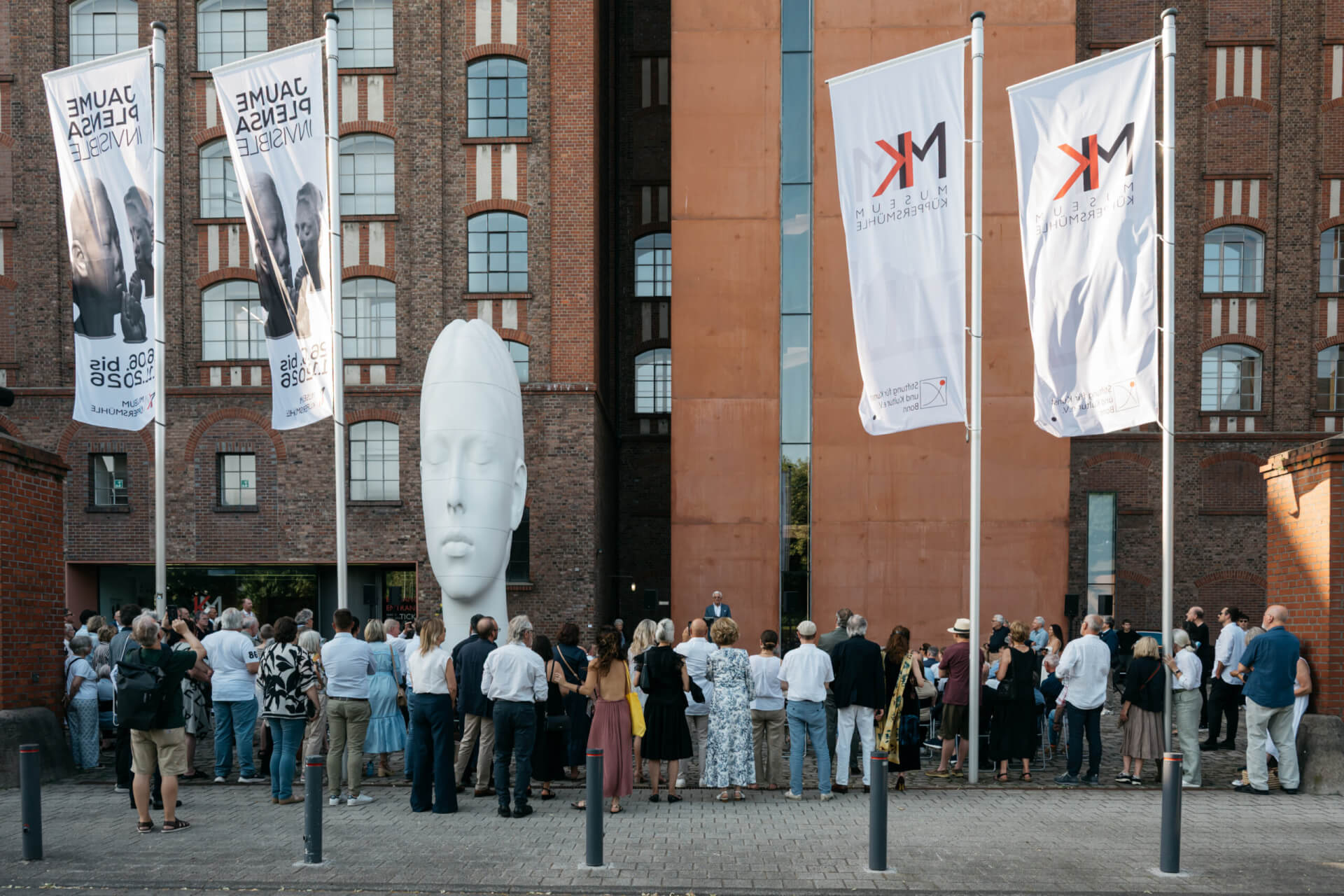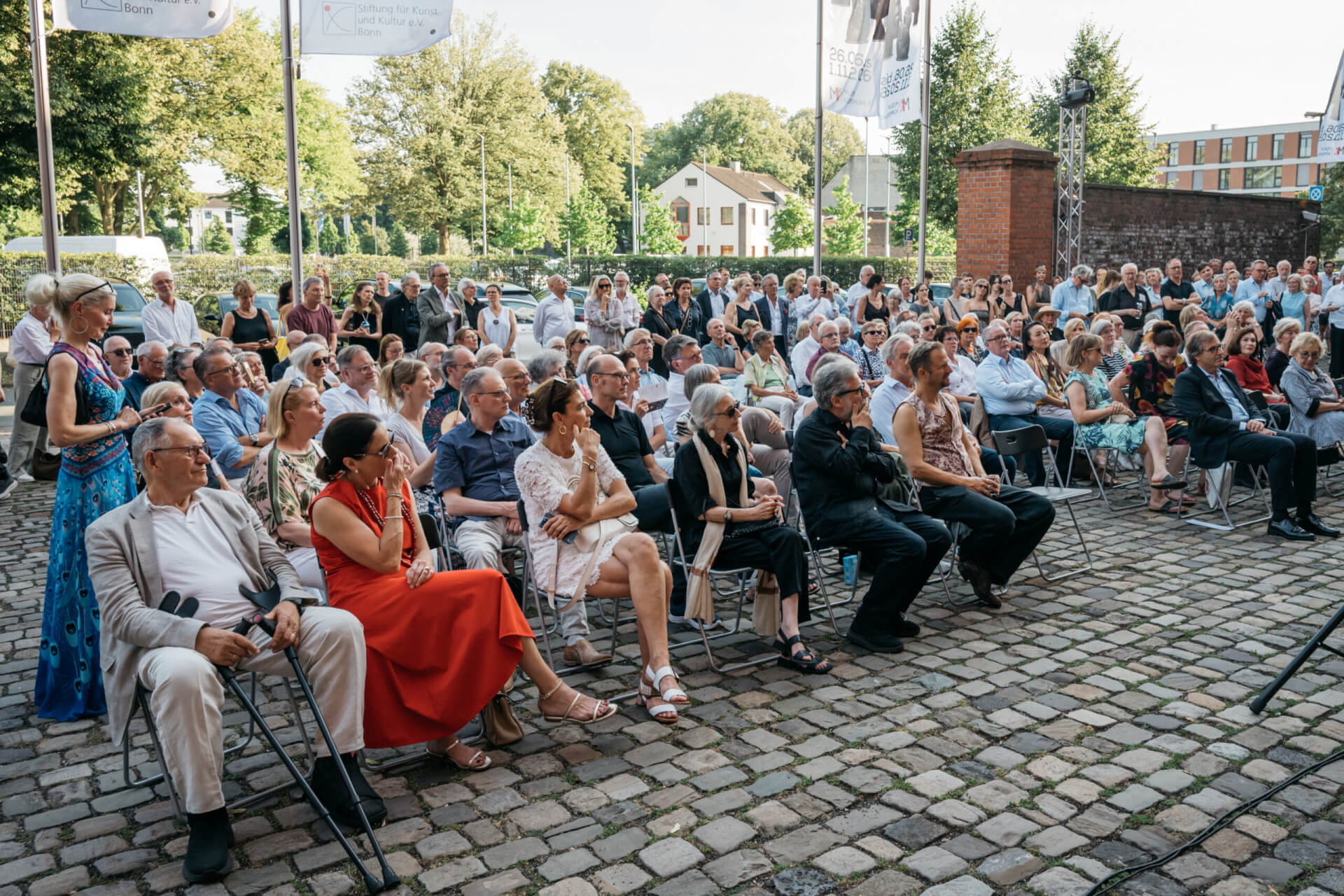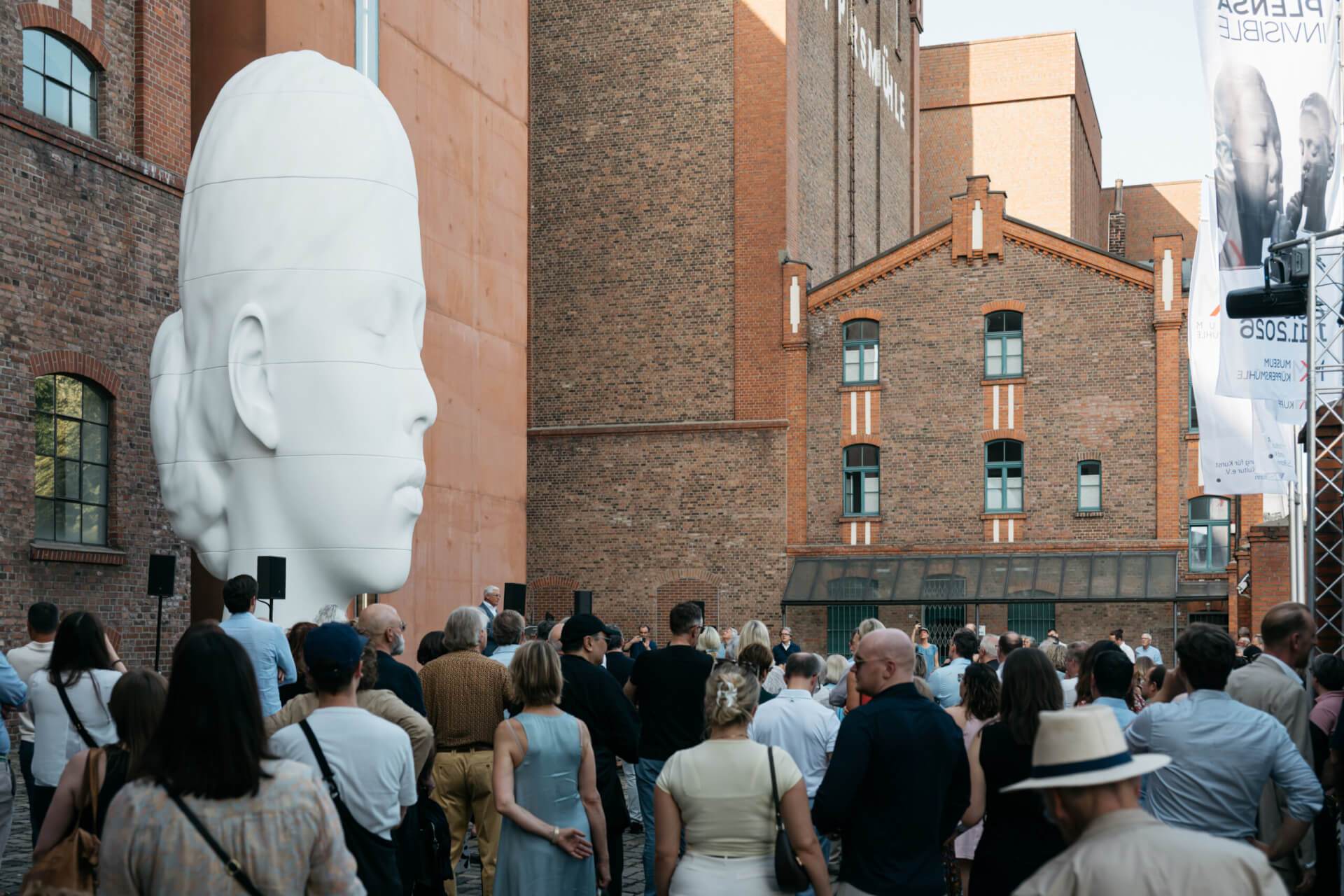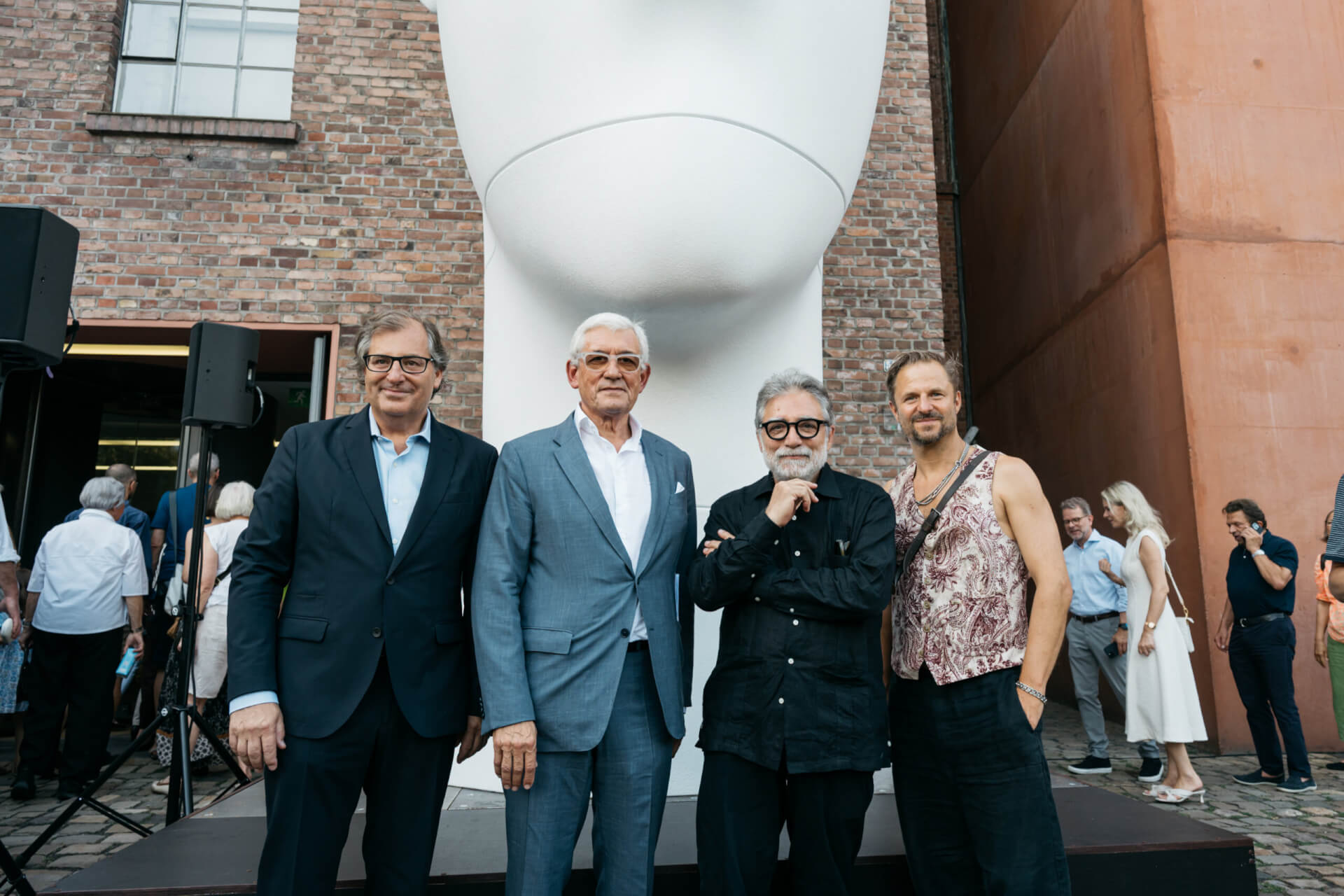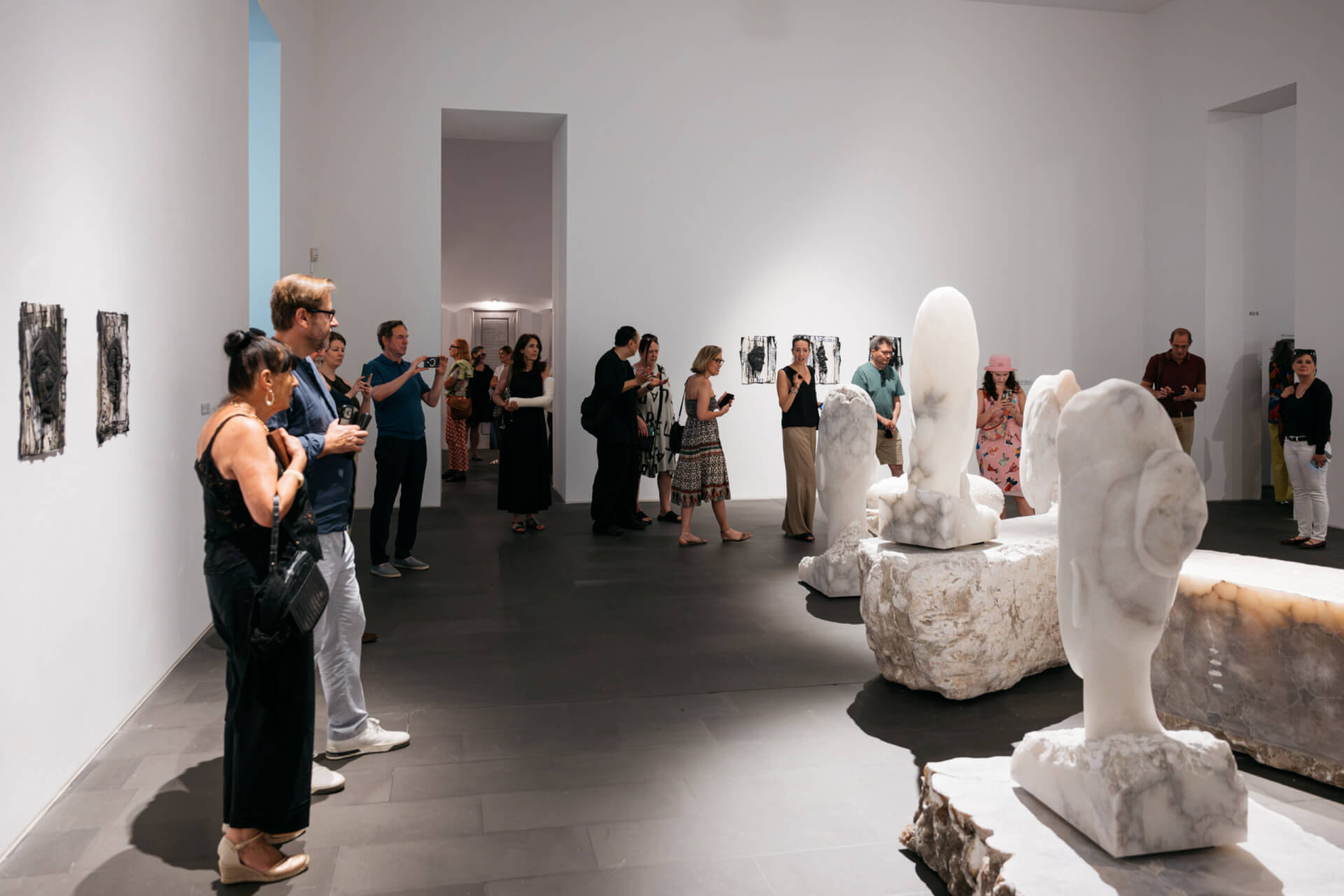
The Museum Küppersmühle in Duisburg is presenting the most comprehensive solo exhibition to date of the renowned Spanish sculptor Jaume Plensa. This is the first time in a decade that a German museum has dedicated such a show to him. In the exhibition, visitors can expect to see over 50 impressive sculptures, a selection of his works on paper and wall drawings created especially for the Museum Küppersmühle – a unique encounter with Plensa’s powerful poetic art.

“My work always wants to build bridges, ask questions, bring beauty into people’s everyday lives; create connections between people without skin color, ideology, religion or geography playing a role.”
Plensa is internationally renowned for his impressive works in public spaces, which he has been presenting on every continent for over 20 years. One of his most notable projects was “Secret Garden,” installed in the summer of 2025 on the city’s Residenzplatz to coincide with the Salzburg Festival. In Germany, he has created large-scale sculptures in Bonn-Bad Godesberg (“Laurelle am Bahnhof,” 2024), Frankfurt am Main (“Body of Knowledge,” 2010), and Potsdam (“Gläserne Seele,” 2000). He is one of the most significant universal artists of our time.
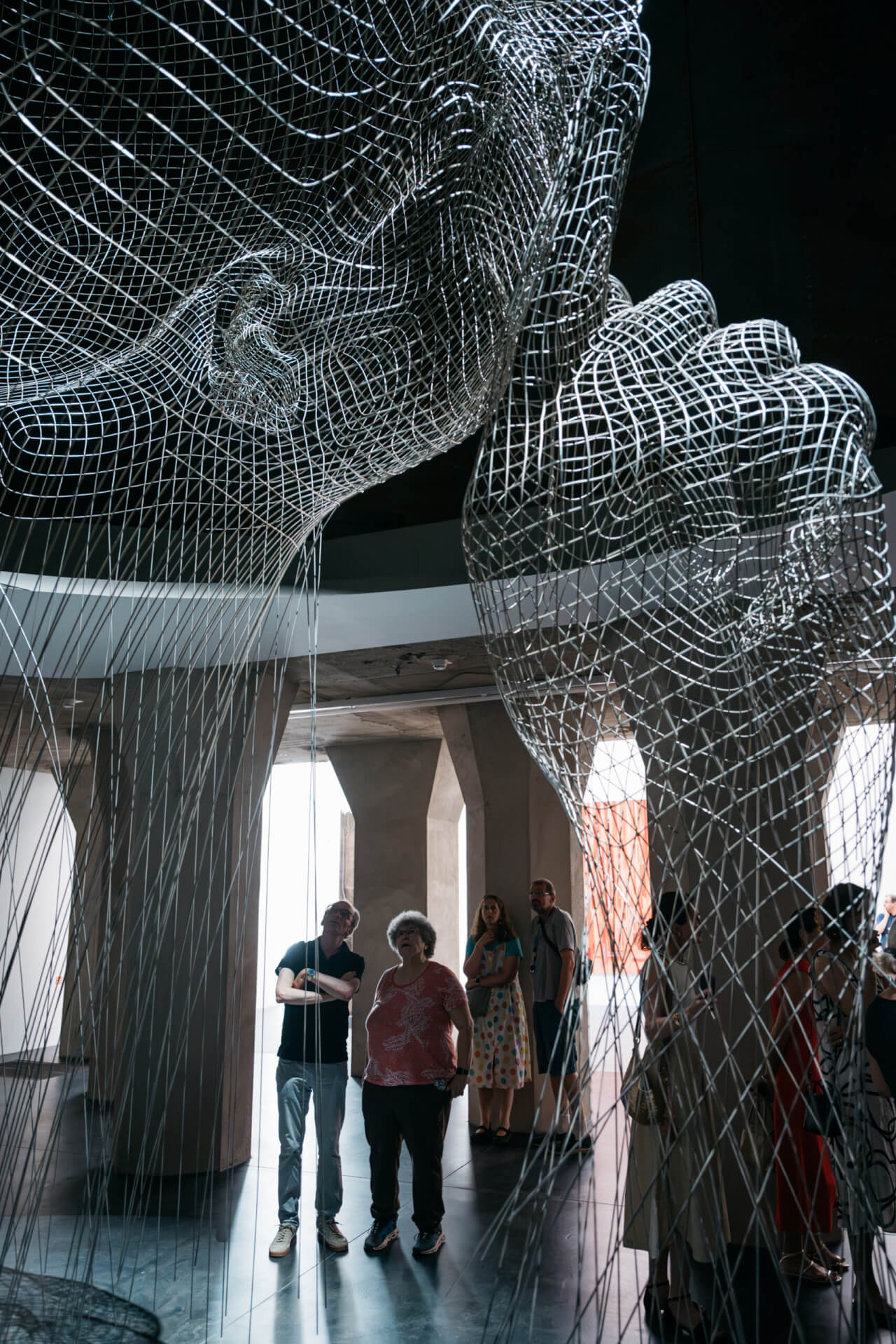
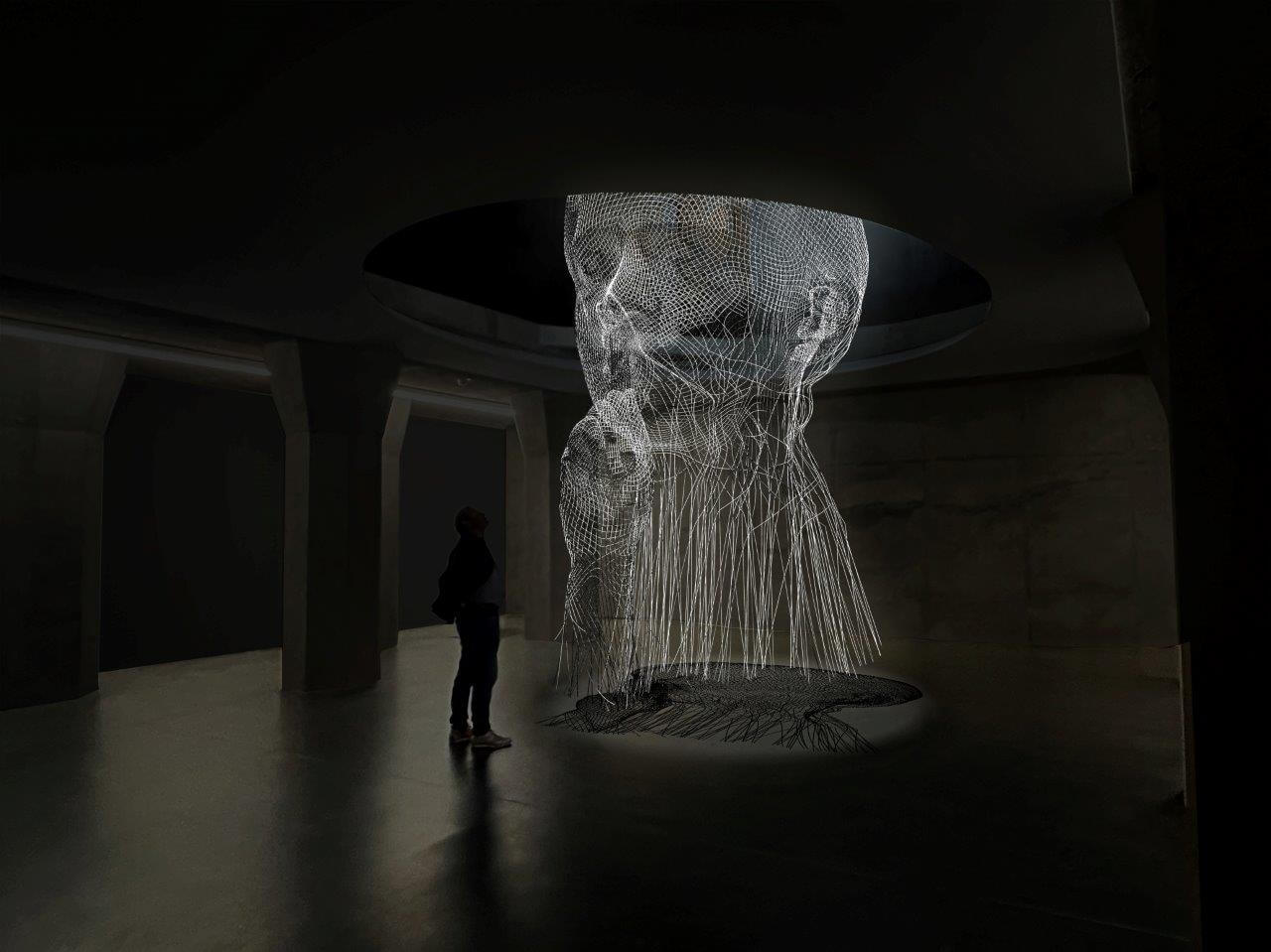
The exhibition at Museum Küppersmühle presents a large sculpture in the entrance area of the building – “Flora”, 2021 – as well as a spectacular installation in the silo room – “Invisible Anna”, 2018: a large, transparent head made of stainless steel rods, whose sublime aura dominates the room.
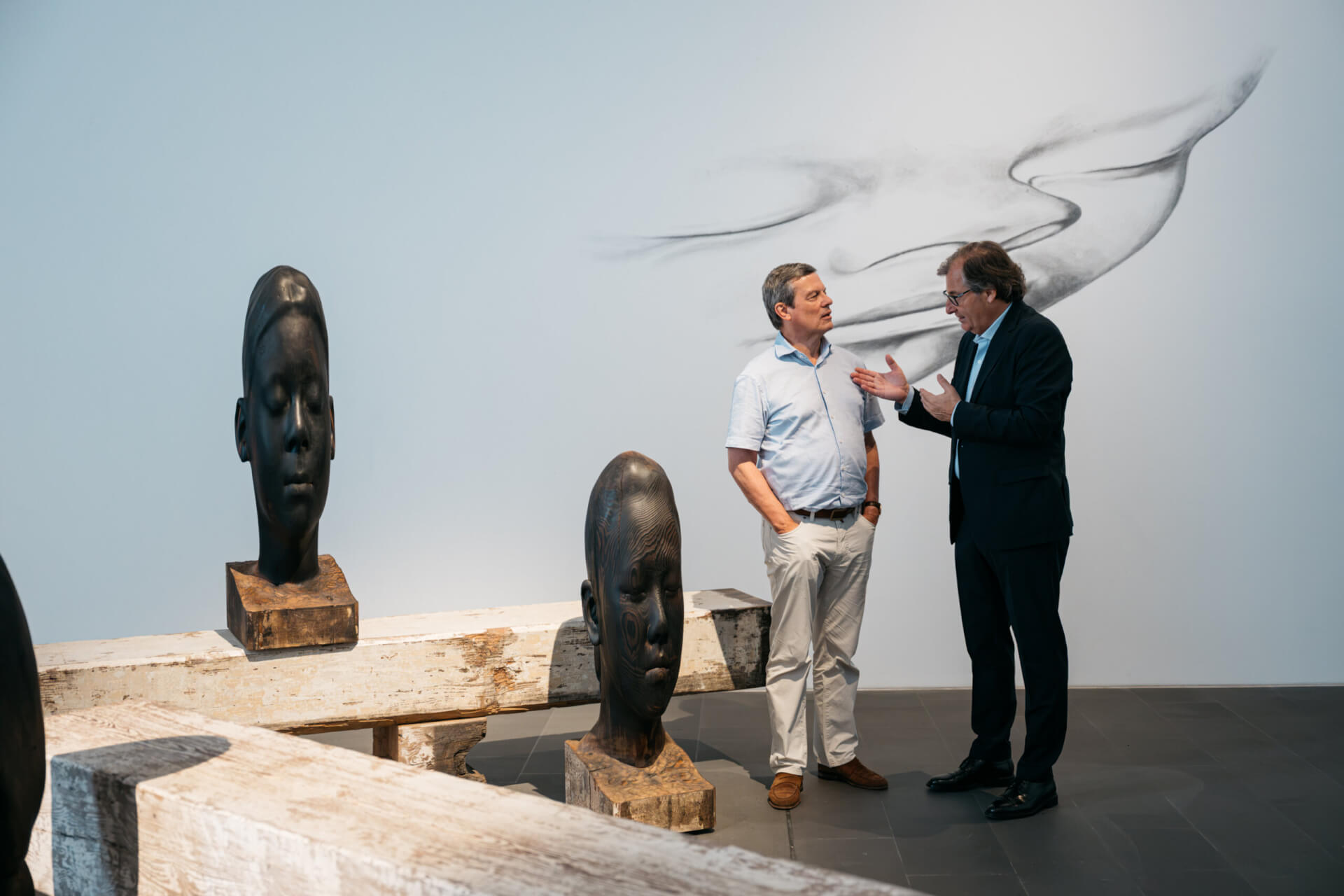
In eight other rooms, the range of Jaume Plensa’s works in terms of form and content is illustrated with works made from a wide variety of materials. The artist works with marble, alabaster, plastic, cast bronze and iron as well as steel in various scales.
The exhibition is accompanied by an extraordinary large-format publication with exhibition views, an interview with the artist by Walter Smerling and an essay by Clemens Setz.
Plensa’s works are enigmatic and inspiring at the same time. They invite contemplation about ourselves, about beauty and sublimity. The writer Clemens Setz concludes his essay for the publication accompanying this exhibition with a concise observation:
“Standing before them, we remain alone with ourselves, not intimidated or unfulfilled, but gifted and peculiarly elevated.”